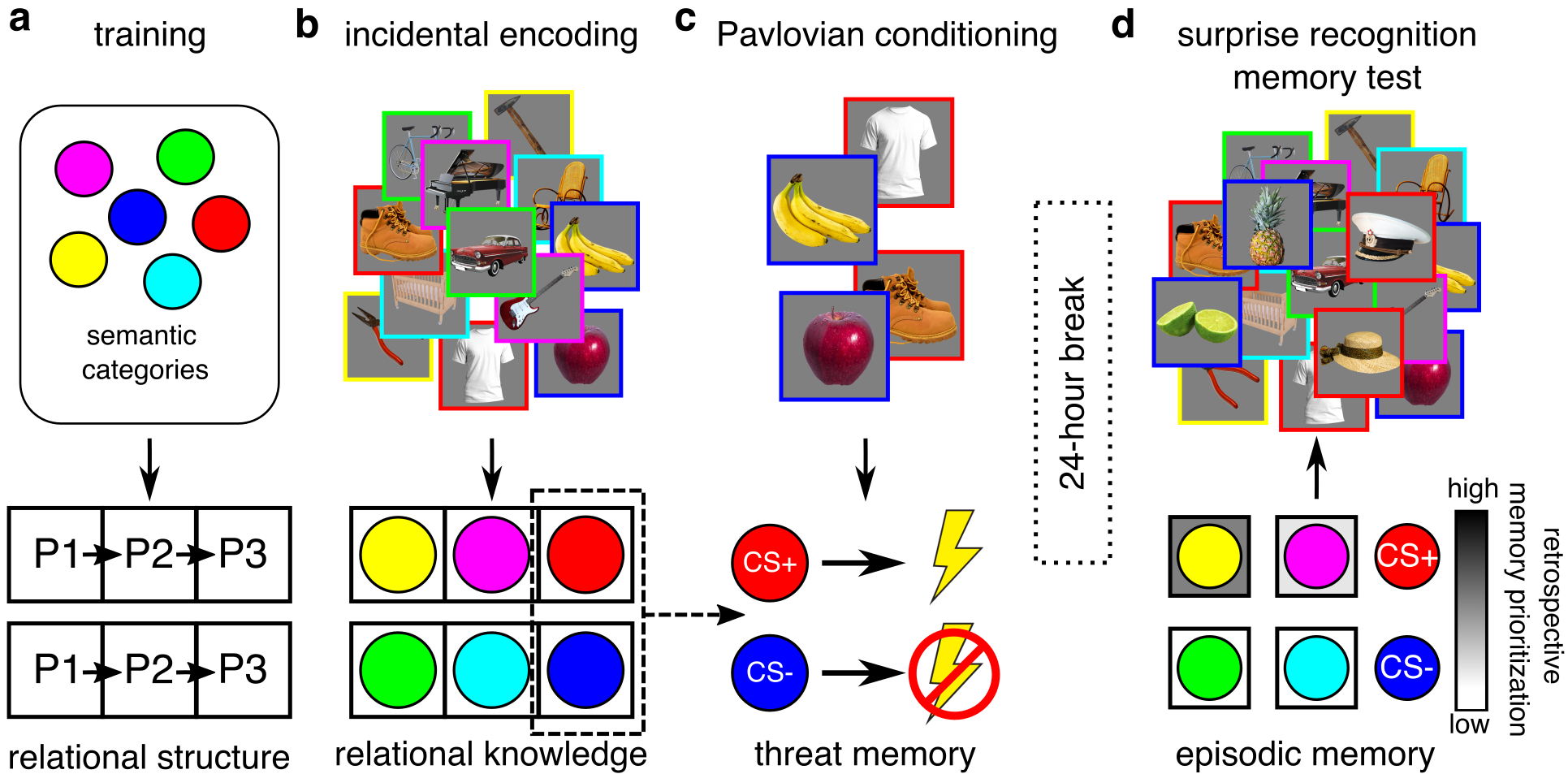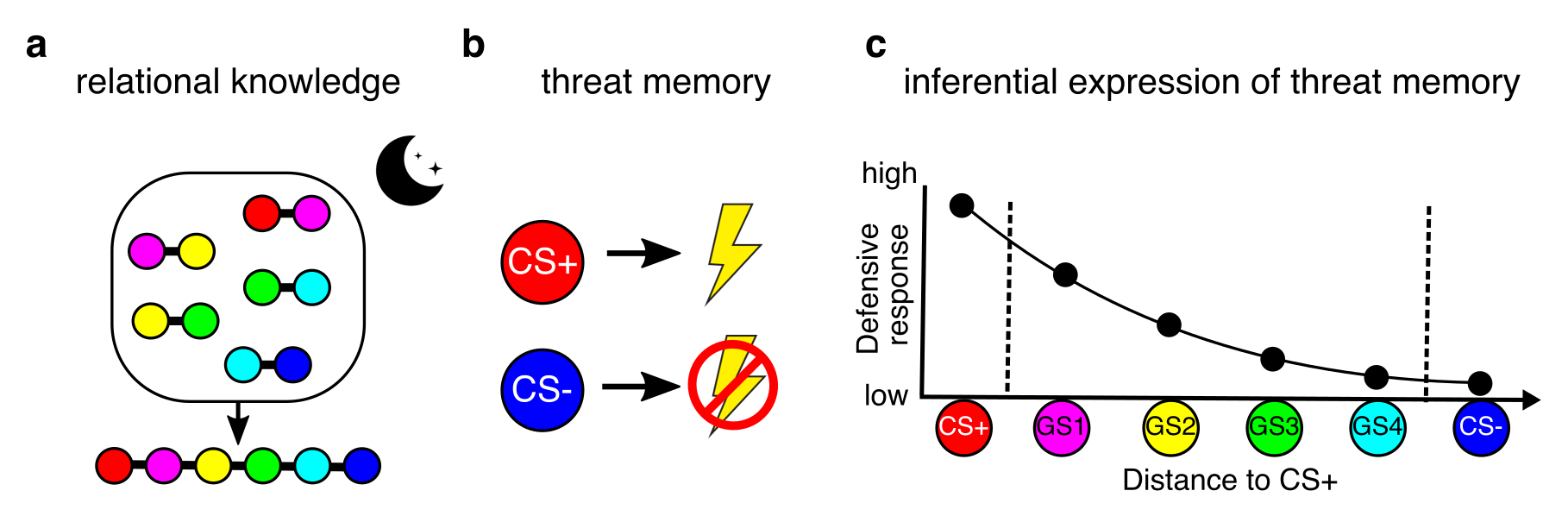
Relational memory structure among prior neutral episodes guides Pavlovian threat responses
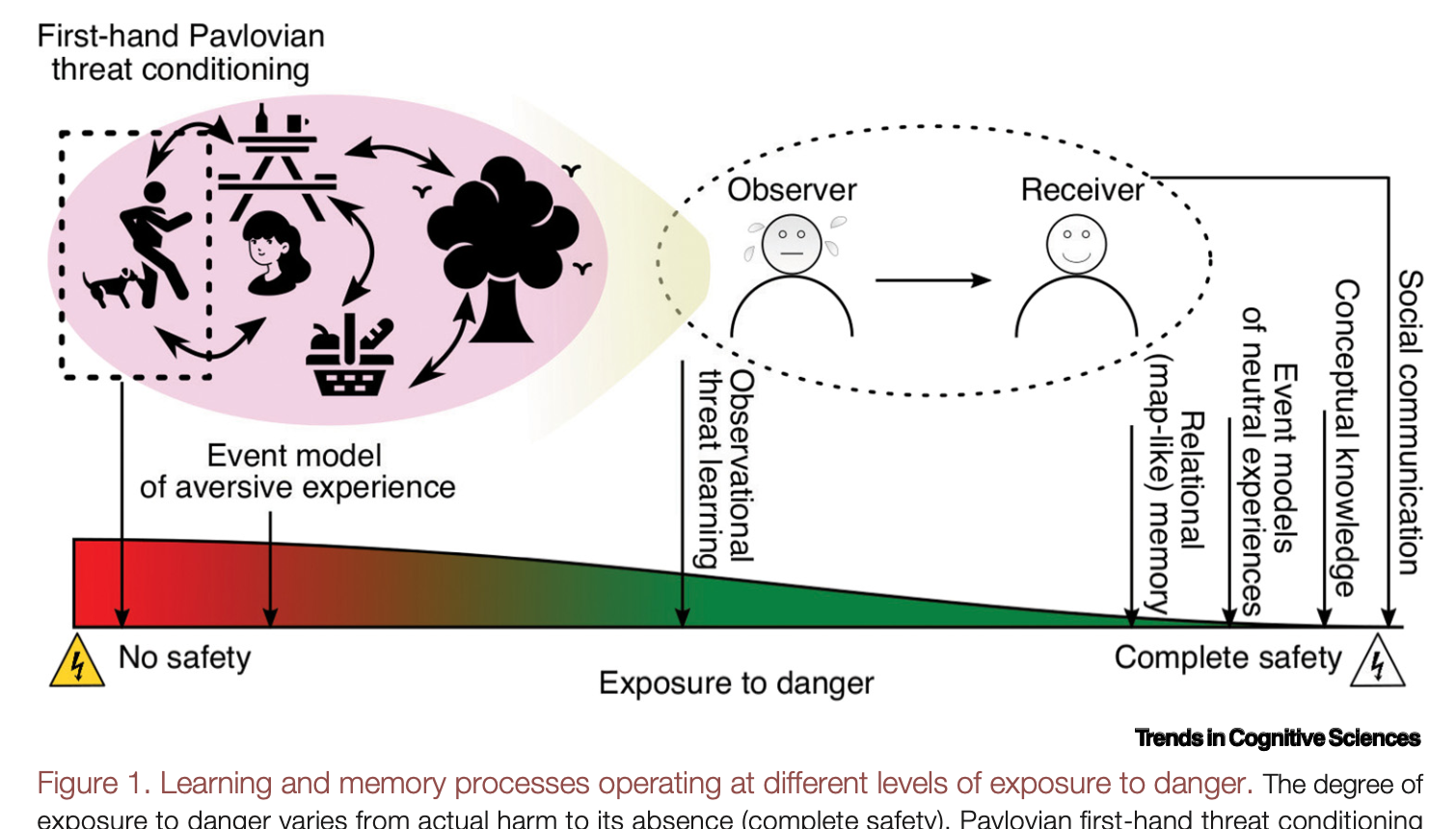
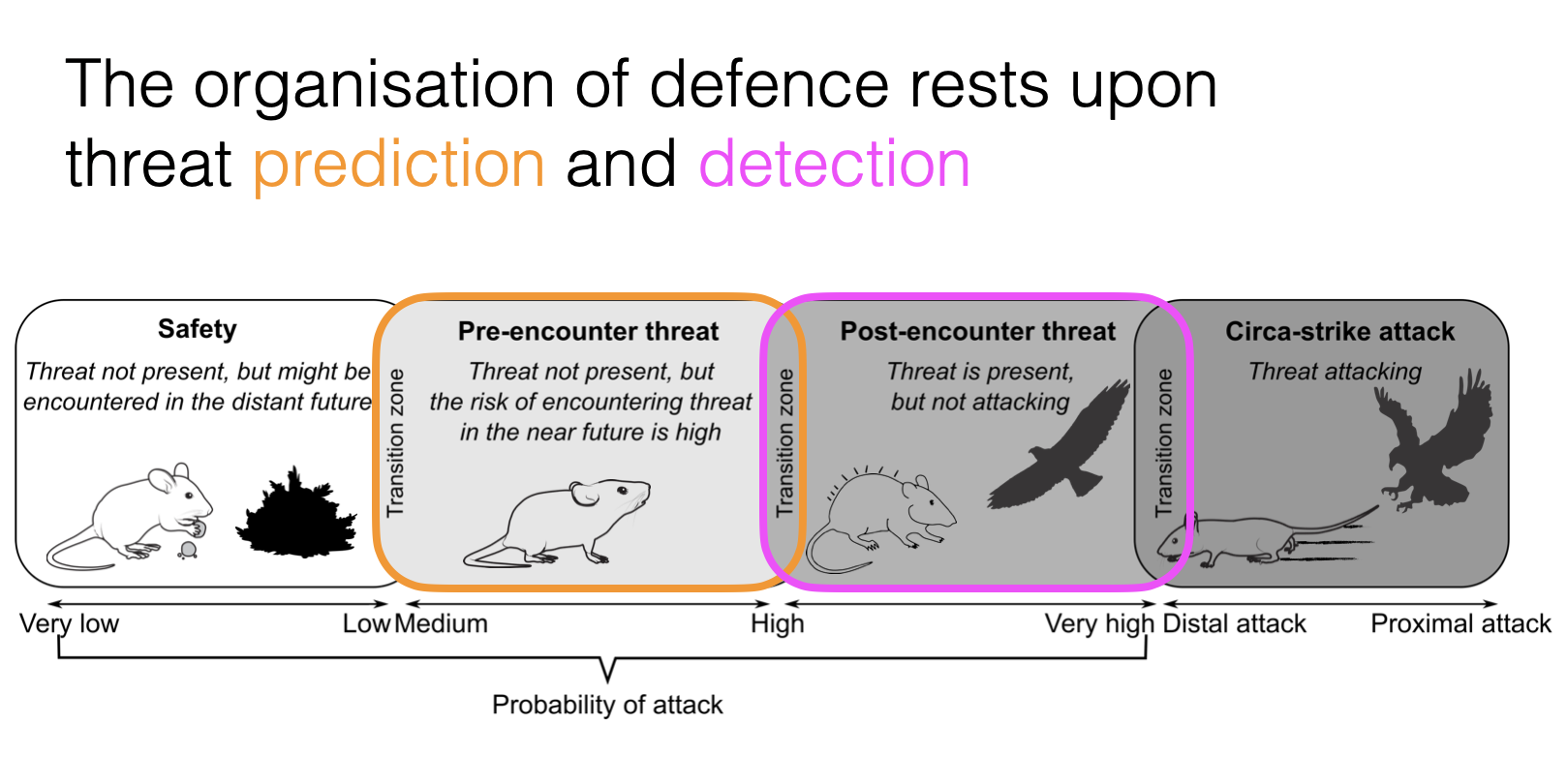
Recognising dangerous situations is crucial for regulating defensive behaviours that are tailored to the imminence of potential harm. Past life-threatening situations that have been overcome teach us about what might pose a risk of harm in the future. However, when learned or similar threats are not immediately perceptible in the current environment, the risk of harm, even if remote, may still exist. In such cases, it must be inferred rather than directly derived from a past aversive experience. How do individuals assess risk in such circumstances?