Concept

Relational memory structure among prior neutral episodes guides Pavlovian threat responses

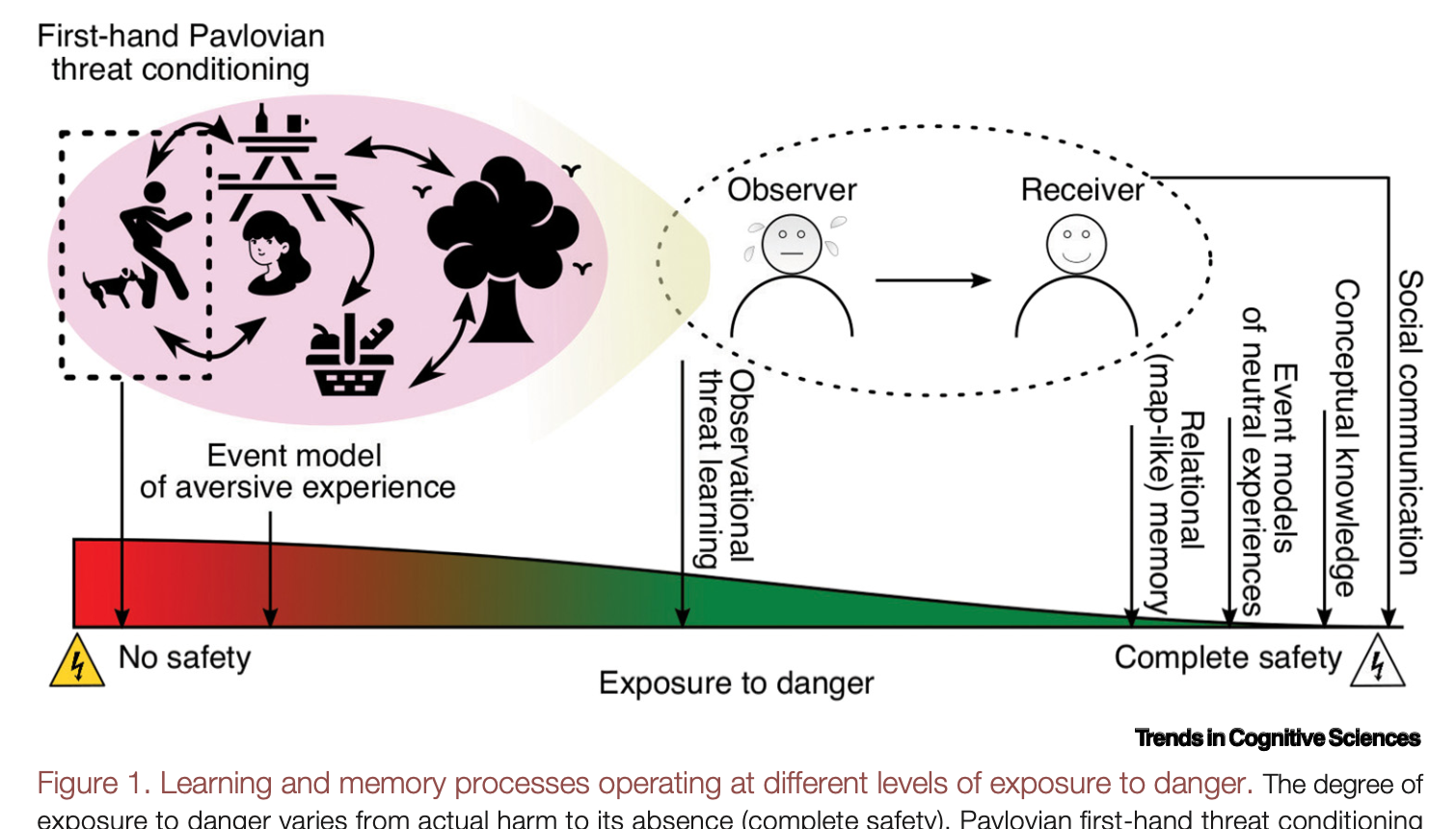
Recognising dangerous situations is crucial for regulating defensive behaviours that are tailored to the imminence of potential harm. Past life-threatening situations that have been overcome teach us about what might pose a risk of harm in the future. However, when learned or similar threats are not immediately perceptible in the current environment, the risk of harm, even if remote, may still exist. In such cases, it must be inferred rather than directly derived from a past aversive experience. How do individuals assess risk in such circumstances?
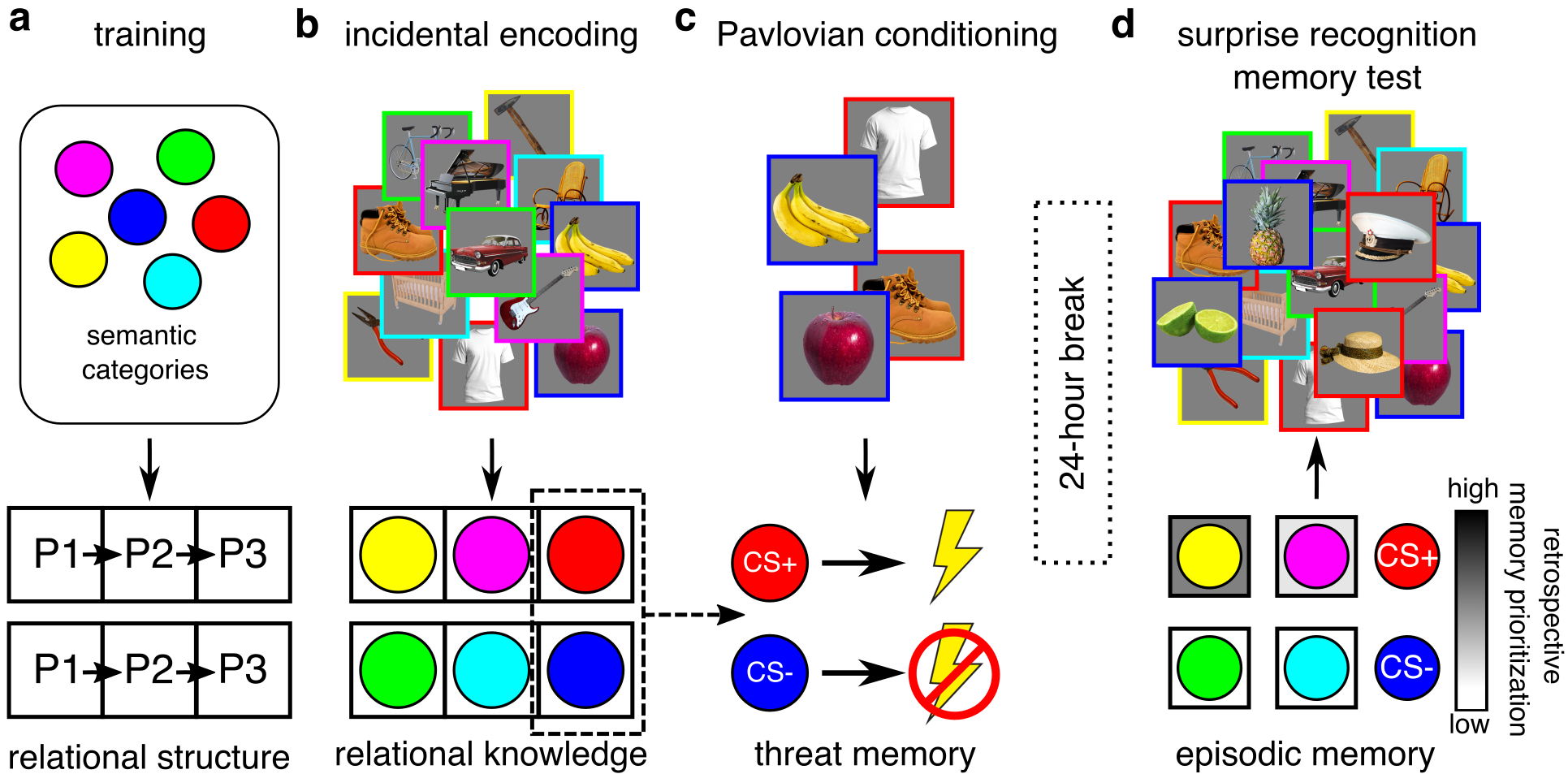
January 2026 · Blazej M. Baczkowski, Arno Villringer
Concept

Aversive learning retroactively prioritizes neutral episodic memories structured by prior knowledge of predictive sequences

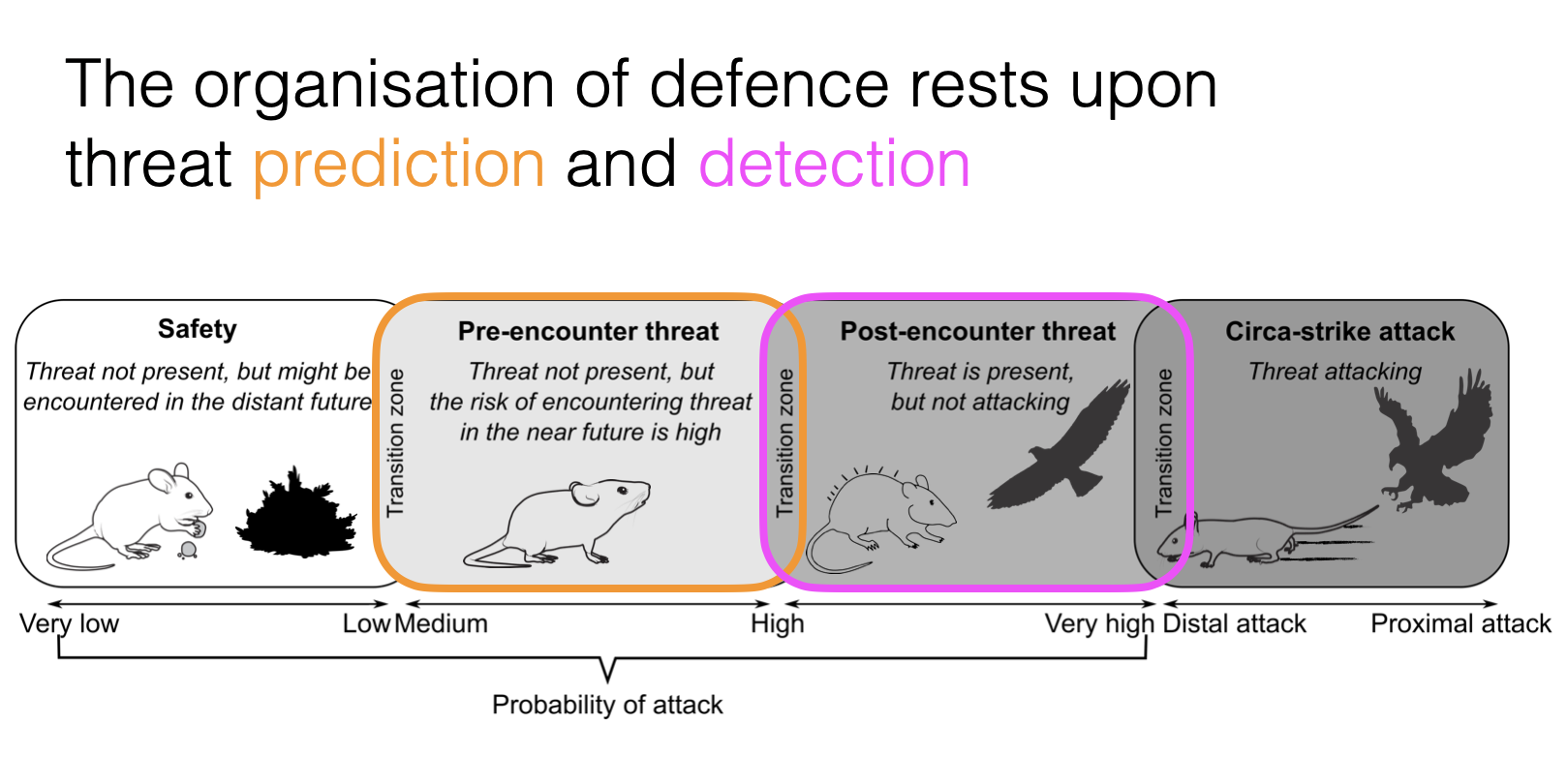
Past aversive experiences teach us what may pose a threat to our well-being. However, detecting threats often entails exposure to potentially harmful situations – risks that could be minimized if individuals could predict encountering threats ahead of time. How do individuals come to identify signals that indicate the risk of harm before the threat is actually present?

November 2025 · Blazej M. Baczkowski, Arno Villringer
Concept

Emotional learning and episodic memory organisation

Are there individual differences in how people organise their episodic memories due to emotional learning? Spoiler: yes, there are 😄

March 2025 · Blazej M. Baczkowski, Michiko Sakaki, Felix Kalbe, Kou Murayama, Lars Schwabe
Concept

Inferring danger with minimal aversive experience

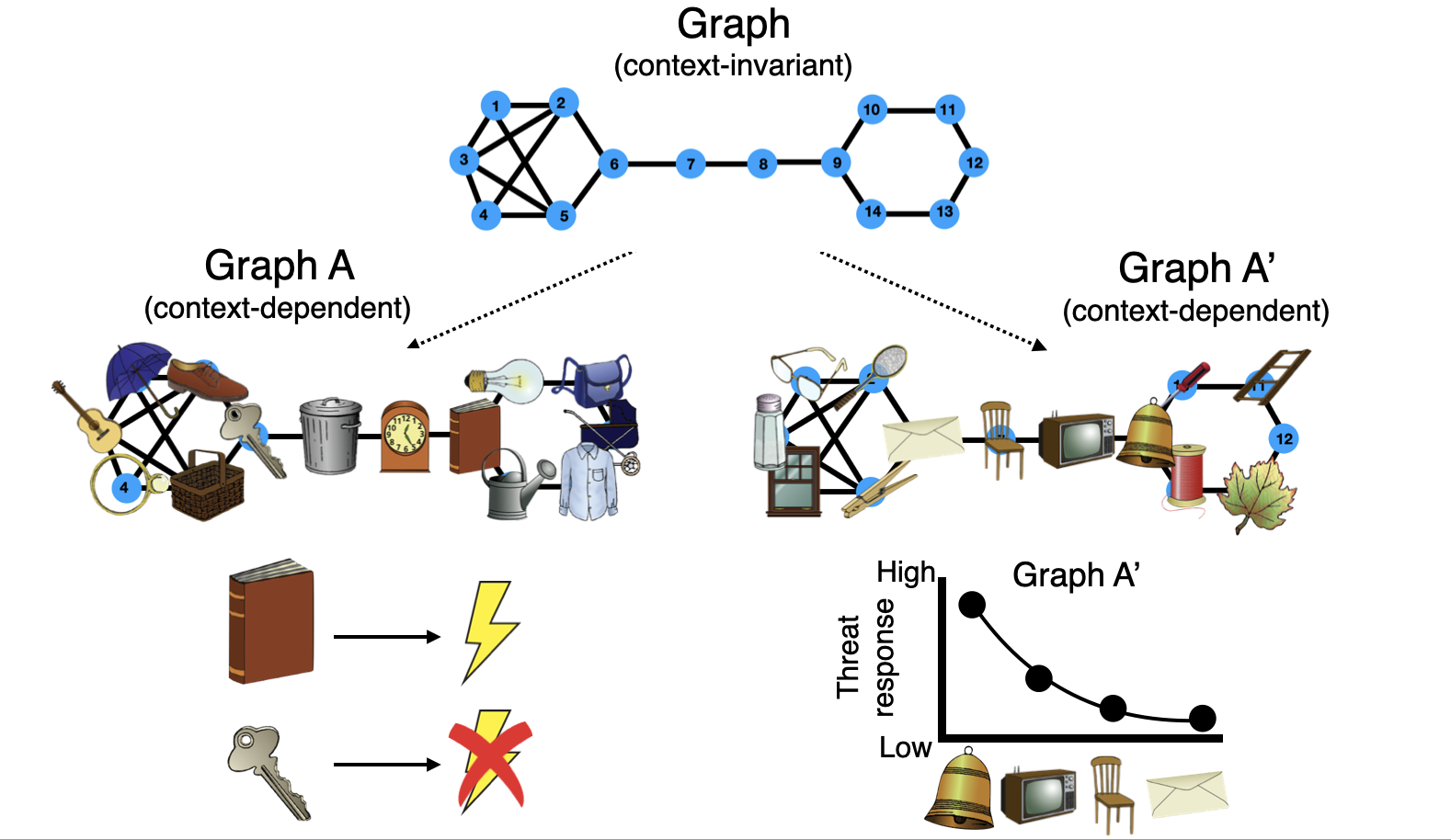
My theoretical paper outlining the research framework of how individuals protect themselves from danger despite minimal aversive experience using mnemonic processes.

February 2023 · Blazej M. Baczkowski, Jan Haaker, Lars Schwabe
Concept

Constructing knowledge to predict threats

Imagine you frequently walk past a particular house with a fenced yard and a barking dog inside. You hardly pay attention to the house or the fence—they’re just part of your daily routine. One day, however, you surprisingly encounter the aggressive dog on a street nearby, and barking furiously it attacks you. Next time, would you walk past your standard route by the fence again? If not, at what point would you decide to change your route?

December 2022 · Blazej M. Baczkowski, Lars Schwabe
Concept

Aversive learning and transfer in structured environments

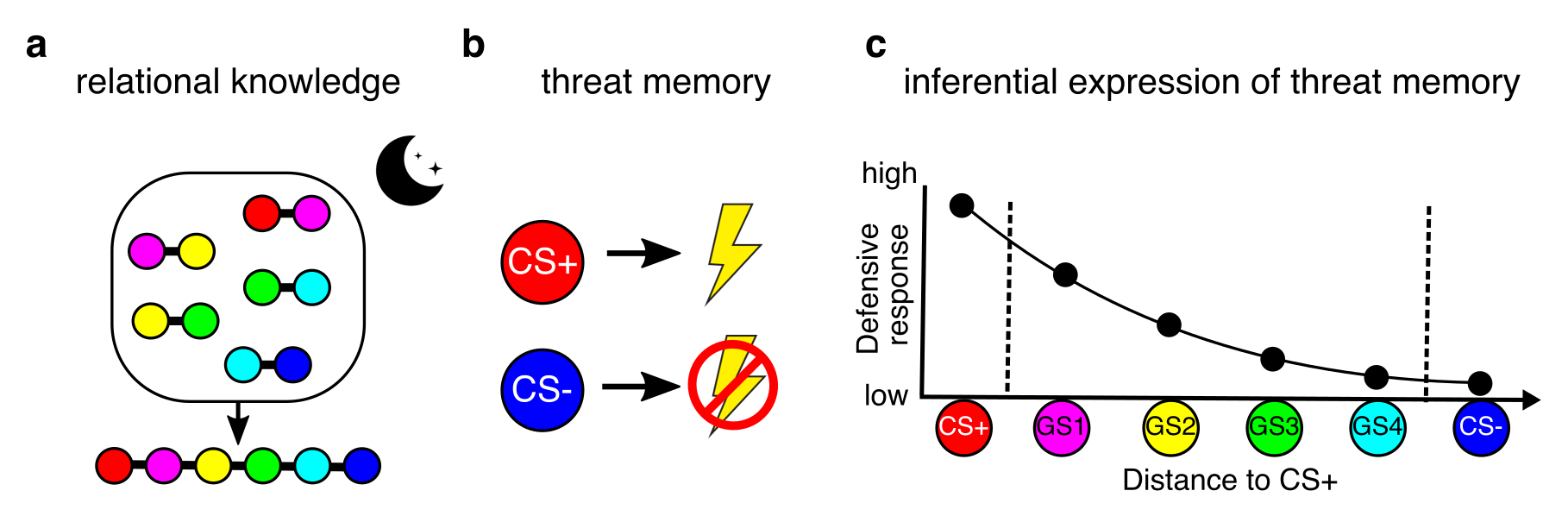
Imagine a child going to a dentist. Typically, the visit follows a predictable sequence of events: checking in at reception, waiting to be called, reporting any discomfort to the specialist, and undergoing a medical procedure, such as a tooth filling, which is sometimes associated with pain. A similar sequence of events occurs when visiting an otolaryngologist (ENT), for example, for ear cleaning. Would the child start to worry while sitting in the waiting room of the ENT? Would they feel nervous when seeing the ENT doctor just minutes before the procedure?

March 2021 · Blazej M. Baczkowski, Christian F. Doeller, Mona M. Garvert